Friday, November 22, 2013

ZOOM! Teeth Whitening Promotion for the Holidays!


Give the gift of a whiter smile this holiday season!  ZOOM! Whitening $250.00!!  
Gift Certificates are available. Contact our office and we can have your gift certificate ready for pick-up or mailed for you!  (480) 451-5435

Happy Holidays from the dental practice of Dr. James B. Miller!

*Promotion through December 31st, 2013*

Wednesday, November 20, 2013

Dry Mouth (Xerostomia)


Dry Mouth, or Xerostomia, is a condition in which your body produces less saliva and can be caused by a variety of reasons:   side effect of certain medications, diseases or infections, certain medical treatments (such as radiation) and dehydration.  Dry mouth can increase a person's risk of developing gingivitis, gum disease, tooth decay and mouth infections such as thrush.  If you are experiencing dry mouth, be sure to talk with Dr. James B. Miller at your next dental visit or schedule an appointment to discuss your possible treatment options. 
 
James B. Miller, D.M.D.
9821 N. 95th Street, Suite 110
Scottsdale, AZ  85258
Office: (480) 451-5435 

Tuesday, November 12, 2013

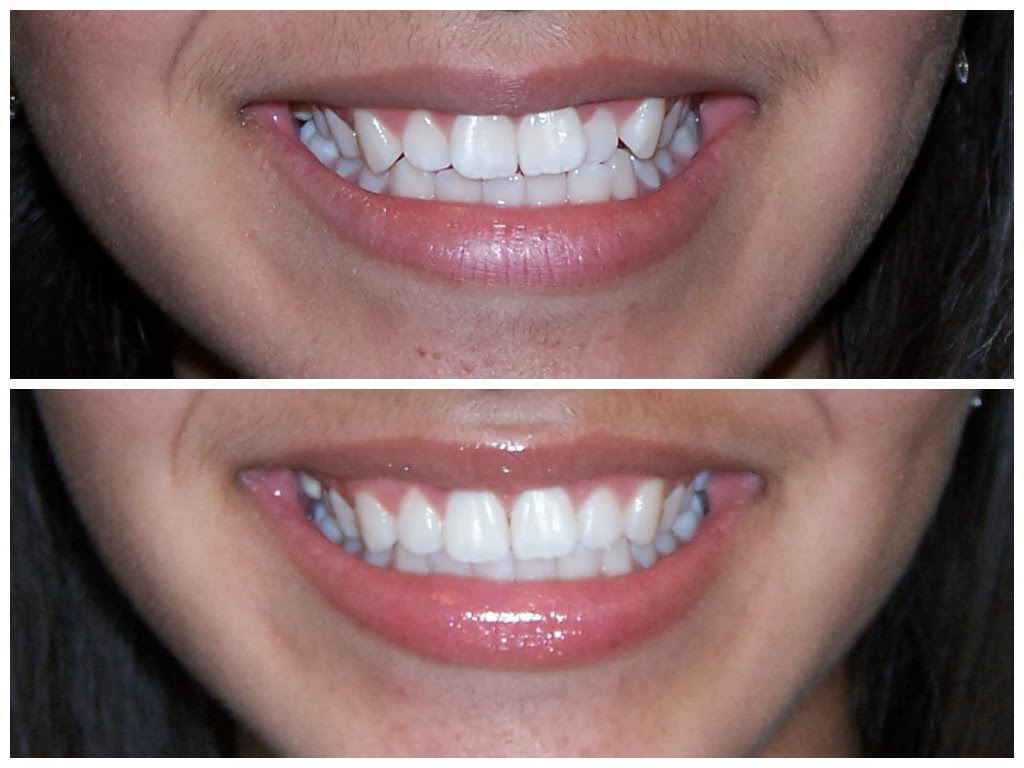
Invisalign Teeth Straightening


Are you embarrassed to smile because of your crooked teeth? Have you avoided braces because of the unsightly metal brackets and wires? Great news, Invisalign can straighten your teeth without the unsightly metal. 

A series of clear "aligners" are carefully made using state-of-the-art CAD/CAM software that allows us to control how to straighten your teeth. Then clear aligners are made to those exact specifications. The result, straight teeth and no metal!

"I didn't like smiling because of my crooked teeth. I love the way my teeth look after Invisalign and I can't stop smiling!" --Stephany B., Phoenix, AZ

For more information on Invisalign teeth straightening, or to schedule a consultation, please contact the office of Dr. James B. Miller at (480) 451-5435.

    #clearbraces #orthodontics #straightteeth #invisiblebraces

Tuesday, November 5, 2013

November is National Diabetes Month


DIABETES AND PERIODONTAL DISEASE

Diabetic patients are more likely to develop periodontal disease, which in turn can increase blood sugar and diabetic complications.
People with diabetes are more likely to have periodontal disease than people without diabetes, probably because people with diabetes are more susceptible to contracting infections. In fact, periodontal disease is often considered a complication of diabetes. Those people who don't have their diabetes under control are especially at risk.
Research has suggested that the relationship between diabetes and periodontal disease goes both ways - periodontal disease may make it more difficult for people who have diabetes to control their blood sugar.
Severe periodontal disease can increase blood sugar, contributing to increased periods of time when the body functions with a high blood sugar. This puts people with diabetes at increased risk for diabetic complications. perio.org
If you have diabetes, be sure to schedule regular appointments with your dentist and well as your physician.  If you'd like more information or would like to schedule an appointment in our office, please call Dr. James B. Miller at (480) 451-5435.  We look forward to meeting you.

Monday, November 4, 2013

Improving Gum Health May Reduce Heart Risk

Researchers at Columbia University in New York suggest that if you look after your gums, you could also be reducing your risk of heart disease. They claim that improving dental care slows the speed with which plaque builds up in the arteries.
Writing in a recent online issue of the Journal of the American Heart Association, they report a prospective study that shows how improving gum health is linked to a clinically significant slower progression of atherosclerosis, the process where plaque builds up in arteries and increases a person's risk of heart disease and stroke death.
Lead author Moïse Desvarieux, associate professor of Epidemiology at Columbia's Mailman School of Health, says:
"These results are important because atherosclerosis progressed in parallel with both clinical periodontal disease and the bacterial profiles in the gums. This is the most direct evidence yet that modifying the periodontal bacterial profile could play a role in preventing or slowing both diseases."
For their study, the researchers followed 420 adults aged between 60 and 76 from northern Manhattan who were taking part in the Oral Infections and Vascular Disease Epidemiology Study (INVEST).

Measuring Artery Thickness

All participants underwent oral infection and artery thickness exams at the start of the study and at the end of follow-up, which was a median of 3 years.
The oral infection exams retrieved a total of over 5,000 plaque samples. For each participant, the samples came from several teeth and under the gums.
The oral plaque samples were analyzed for the presence of 11 strains of bacteria known to be involved in periodontal disease and seven control bacteria.
Samples of fluid from around the gums were also taken and assessed for levels of Interleukin-1β, a marker of inflammation.
The extent of atherosclerosis, was assessed using high-resolution ultrasound scans to measure artery thickness or intima-medial thickness (IMT) in both carotid arteries.
The results showed that both improved gum health and a reduction in the proportion of bacteria linked to periodontal disease correlated to a slower progression of atherosclerosis, as measured by IMT.
These results did not change significantly when adjusted for factors that could influence them, such as body mass index, cholesterol levels, diabetes and smoking.
Previous studies have linked an increase in carotid IMT of 0.033 mm per year (about 0.1 mm over 3 years), to a more than double increase in risk of heart attack and stroke.
In this study, the participants whose gum health got worse over the 3 years showed a 0.1 mm increase in carotid IMT, compared with the participants whose gum health improved.
Co-author Panos N. Papapanou, professor at Columbia's College of Dental Medicine, says:
"Our results show a clear relationship between what is happening in the mouth and thickening of the carotid artery, even before the onset of full-fledged periodontal disease. This suggests that incipient periodontal disease should not be ignored."

Atherosclerosis and Periodontal Infections

Although the researchers did not look into how bacteria in the mouth can lead to atherosclerosis, one theory suggested by animal studies is they increase inflammatory markers, which can trigger or worsen the inflammation in atherosclerosis.
In a previous study that took measures at one point in time, the team had already found that higher levels of disease-causing bacteria were linked to thicker carotid IMT. This new study builds on those results by looking at the participants over time.
Prof. Desvarieux adds:
"It is critical that we continue to follow these patients to see if the relationship between periodontal infections and atherosclerosis carries over to clinical events like heart attack and stroke and test if modifying the periodontal flora will slow the progression of atherosclerosis."
Funds from the National Institutes of Health (NIH), the National Institute of Neurological Disorders and Stroke (NINDS), the Institut National de la Santé et de la Recherche Medicale (INSERM), among others, helped finance the study.
In 2010, UK researchers reported that gum bacteria can increase risk of heart attack and heart disease, because the same bacteria that cause dental plaque can escape from the mouth into the bloodstream and trigger clots.
medicalnewstoday.com


Tuesday, October 8, 2013

The Psychological Issues of Poor Dental Care

Having bad teeth can bring with it a lot of psychological issues, such as insecurities and lack of self esteem. Can repairing your teeth improve your mental health as well? The answer seems to be a resounding “yes.”

Your Mouth and Your Body
For years, medical professionals have warned that poor dental health can affect your overall physical health. They have established links between poorly-maintained teeth and heart problems, as bacteria from your mouth can slip into your bloodstream. They have also uncovered links between gum disease and pregnancy complications, like premature birth. Immune system disorders are another common concern for people with oral health problems.
Researchers have even started to explore how poor dental health can affect the brain. The Columbia College of Physicians and Surgeons in New York discovered that there may be a link between bad teeth and cognition ailments. In their study, elderly people who suffered from gum disease performed worse on memory tests than those without gum trouble. That same group also struggled more than the rest with subtraction tests.

Your Mouth and Your Mind
Beyond physical problems, having bad teeth can cause psychological issues. After all, your mouth is usually a point of focus when socializing, whether you are talking, flashing a smile, or twisting a scowl. Given the mouth’s importance, it makes sense why feeling self-conscious about your teeth can be especially damaging. Here are some ways bad teeth can trigger psychological issues.

  • Anxiety, Especially when Socializing:
If you’re self conscious about one of your most important communication tools, it can ravage your ability to socialize comfortably. People who think they have bad teeth may want to avoid doing anything to expose them, which can start an unhealthy cycle of self-monitoring and criticism. It impedes a person’s ability to speak clearly, and it eliminates one of the most effective nonverbal ways to strike up rapport: cracking a genuine smile.

  • Low Self-Esteem:
Confidence stems from feeling good about yourself. If you are always worried about your teeth, it is difficult to feel confident, and that can seriously strip away at your self esteem. Having bad teeth can also trigger self esteem issues that extend beyond how others think; in some cases, people begin to feel guilty about the state of their teeth, engaging in a lot of self criticism about their ineffective oral hygiene habits, which can exacerbate issues about self image.

  • Depression:
Anxiety, poor social experiences, low self esteem, and guilt are a recipe for depression. Not only can they all contribute to isolation, which comes with its own share of problems, but they establish a psychological state that is both self-loathing and reluctant to engage with the world. While not everyone will experience all those symptoms, those who do could sink into deep depression unless they get help.

Studies from different countries in Europe suggest that poor dental care and psychological issues can develop into a vicious cycle. Those with high self esteem tend to take better care of their teeth, and the resulting bright smiles contribute right back to the high self esteem they hold. On the other hand, people with low self esteem tend to brush less often, and then the poor state of their teeth can make them feel even worse.

That means it is important to get serious about dental care. Not only does commitment to oral hygiene contribute to better physical health, it seems to significantly influence mental health, too.

publichealthbugle.com